
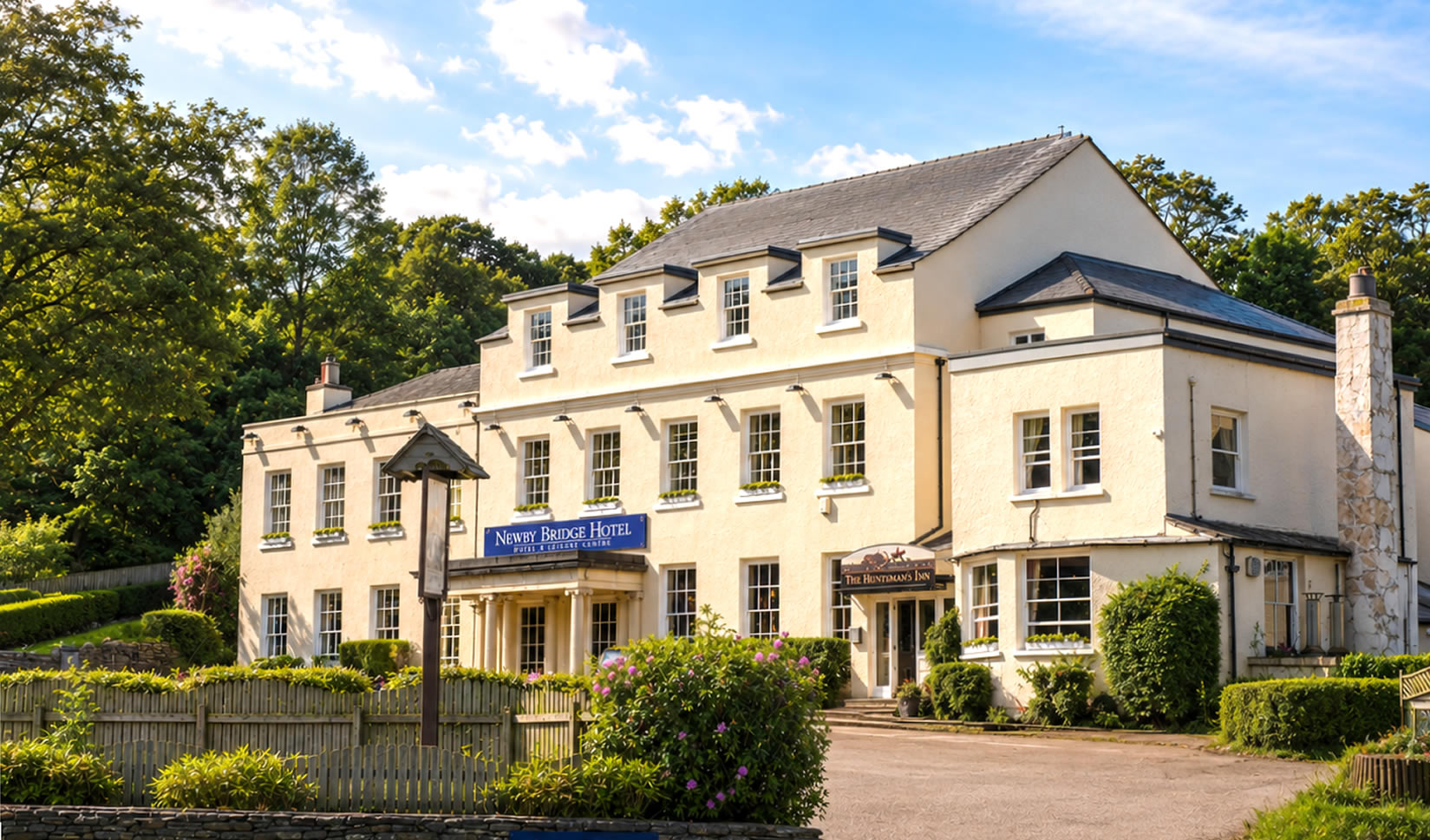
- Property
- Newby Bridge Hotel, Lake District
- Size
- 48 rooms
- Booking system
- Guestline
- With us since
- September 2026
Newby Bridge Hotel is a 48-room hotel in the Lake District. It joined us in September, and straight away it had a problem. Its coach tours started to cancel.
A £48k hole
When we went live, October was already £48k behind October 2025. A year earlier, a deal site had sold 619 room nights at Newby for October to December. This year it had 63. Then the coach tours cancelled, 410 room nights by mid-October and more into November. By mid-October, November was £23k behind. By early November, December was £23k behind too.
So we did three things at once. We won back the regular guest with sharper prices, we got the hotel seen, and we worked with marketing to create demand where pricing couldn't.
1. Sharper prices
Getting to rate parity. We worked out exactly how the price a guest saw on each travel agent was built. It covered the Genius discounts, the mobile rates, the member rates and the agents' own sponsored discounts, and how they stacked on top of each other. Then we put one price everywhere. We stopped Expedia's discounts, had Expedia re-contract the hotel without them, kept Genius on the double and twin rooms only, and took the room-only rate off the agents. Guests no longer had a reason to skip the hotel's website and book through an agent.
While we fixed the initial problem, Booking.com and Expedia carried on undercutting each other, and as a result undercut the hotel's direct prices. Expedia's automatic rate matching undercut Booking.com's sponsored discount, which in turn undercut Expedia's rate matching. We worked with both sides to stop the price war and have a reset period, which let us reach price parity. We still check it constantly, so there's never a better price anywhere online than on the hotel's own website.
Pricing per room. We found that Newby Bridge was pricing per person, when a hotel's stock is its rooms, not its people. Pricing per person leaves significant money on the table, and makes it much harder to price effectively and fairly. So we moved Newby Bridge to a price per room model, where we keep the extras like breakfast and dinner on a per person basis.
Rebuilding the rate card. Newby Bridge had a rate card based on estimates of its seasons. We rebuilt it with a data-driven approach, from actual booking data and what guests were willing to spend. That card is the cornerstone of how Otterly's pricing engine works, and it's imperative we get it right to optimise pricing for the hotel.
We then taught the engine what guests actually spend once they arrive, in the restaurant and around the hotel as well as on the room. So we price for total revenue per available room, not just room revenue. We worked with the team and the owners to tune it. In October, spend per adult rose from £81.78 to £99.19.
Priced against the competition. Demand in the area had dropped, and Newby's old prices sat too high against its local competitors. We track six of them every night and price Newby against them. By November, Newby sat below the local average on 25 of 26 nights, and the rooms we price were booked 81% more than last year, at the same rate.
Releasing minimum nights where demand is low. Someone at the hotel used to release the weekend minimums on the Monday before, if they felt demand was low. We analyse this three months in advance, so guests get the longest possible window to book a single night where demand is more limited.
2. Getting the hotel seen
Once we'd reached rate parity, we wanted to take advantage of the upside of the travel agents, which is their fantastic distribution. We use targeted visibility tools, paid for with commission, not rate. Guests see the same price everywhere and still have a reason to book direct, but Newby shows up higher in the rankings on the nights where it needs it most. On the quiet nights, we alert the marketing team so they can switch these tools on. Newby switched on Expedia's Accelerator, and Expedia offered it $1,200 of advertising credit for joining Automatic Rate Match. Since we went live, Booking.com has sold three times last year's revenue at Newby.
3. Creating demand
We have a system that spots when demand is falling behind budget, and alerts the marketing team. That lets them build offers specifically to fill the soft gaps. So we can price competitively where demand is weak, and where it needs extra support, we lean on the marketing team, working paw in paw.
We sit down every month with the owners
We review how the past month went, and make plans and adjustments for the coming months, to make sure we're maximising value for the team.
The result
When we started, October was £48k behind last year. It finished £16k behind, closing the gap by £32k. November went from £23k behind to £13k, and December from £23k behind to £8k in three weeks. Our forecast now has December and January finishing ahead of last year.
Our forecasts don't reach further than that yet, but the bookings do. March to July 2027 is already £160k ahead of where last year stood on the same day. Thanks to the work we've done, we expect every month from December through next summer to finish ahead of last year.
We're conservative about what we claim. We know our pricing has added £8,625, or 1.9% more revenue. But through all the work above, we've helped close gaps worth over £56k.
Additional revenue generated
Want to see what we'd do with your prices?
You set the limits, a person checks every price, and you can stop us any time. Hotels from £150 a month, with no setup fee and no contract.